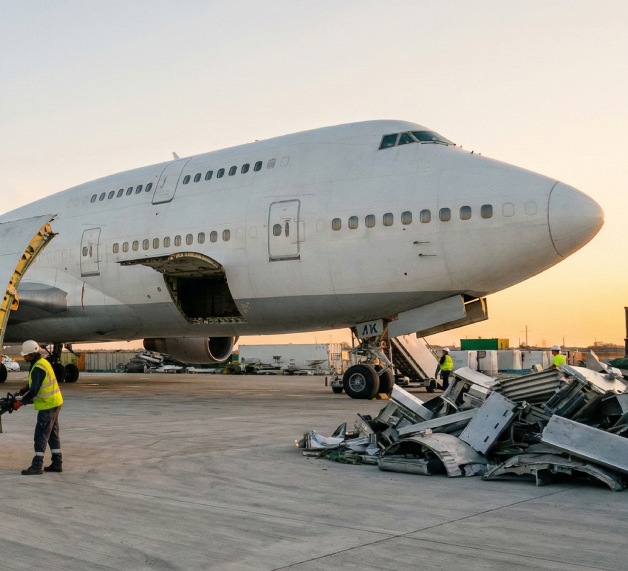
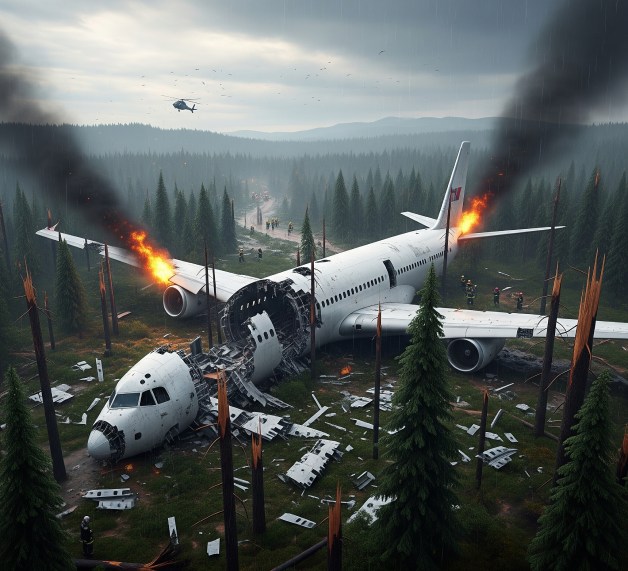
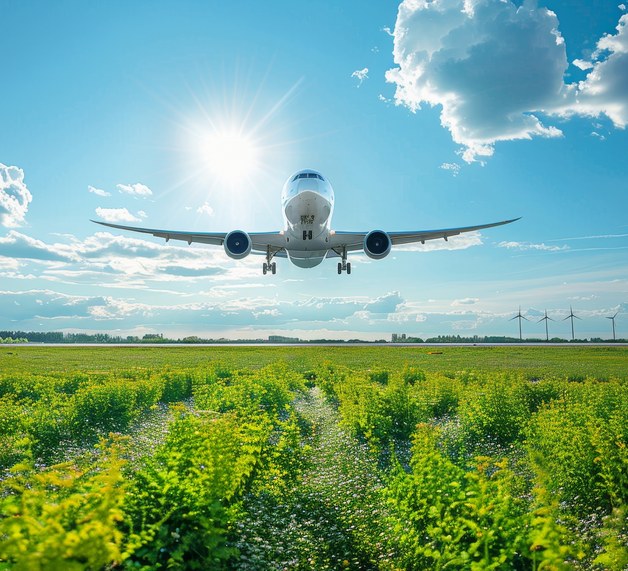
The aviation industry faces increasing pressure to reach net-zero goals by 2050. While most discussions focus on sustainable aviation fuel (SAF), the management of end-of-life aircraft is equally critical.
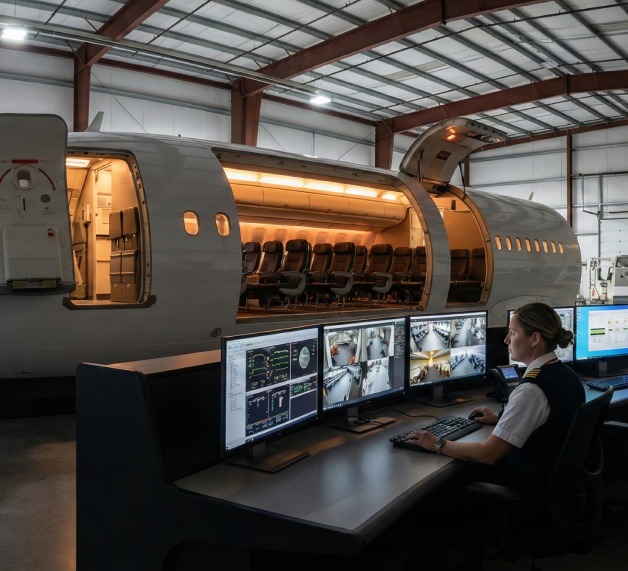
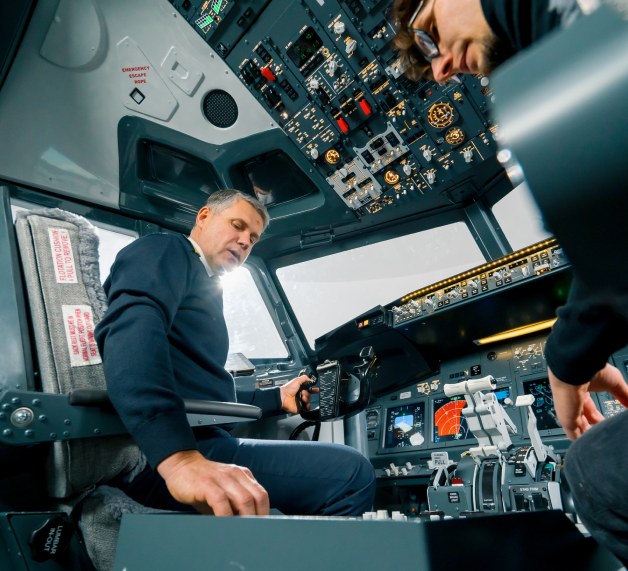
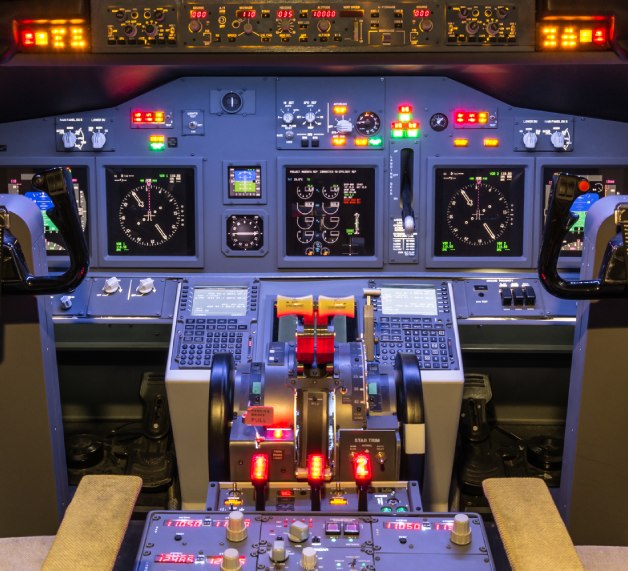
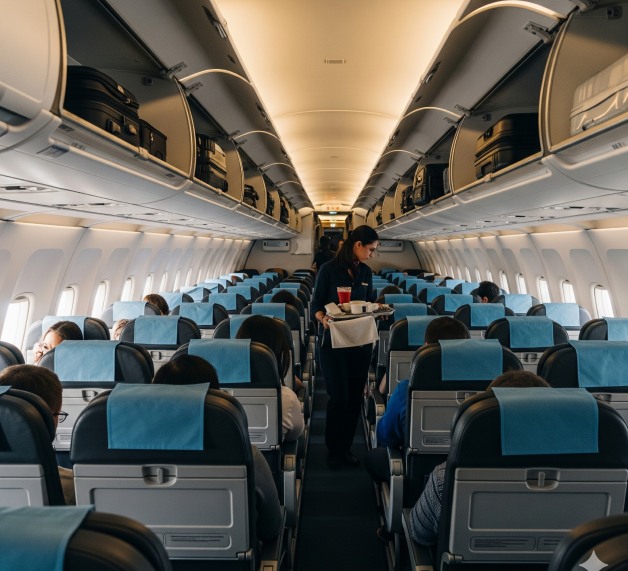
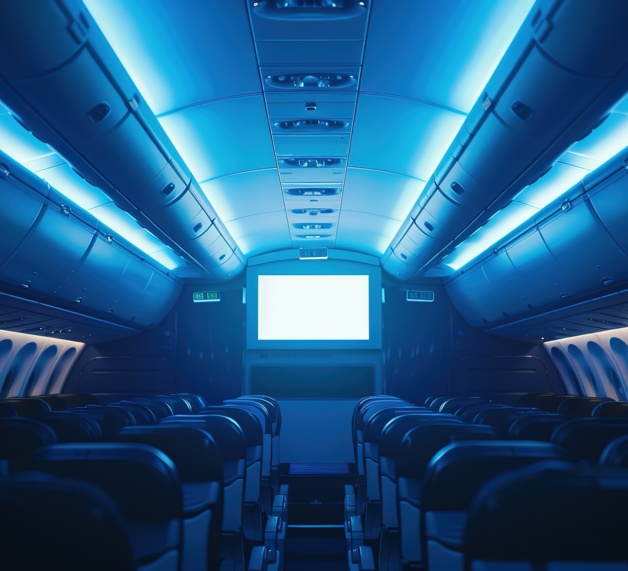
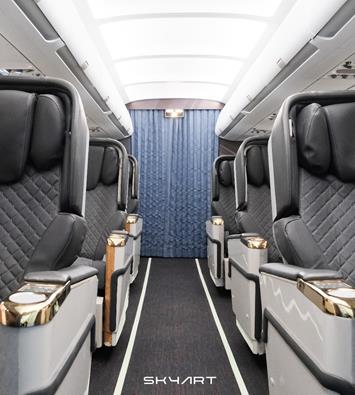
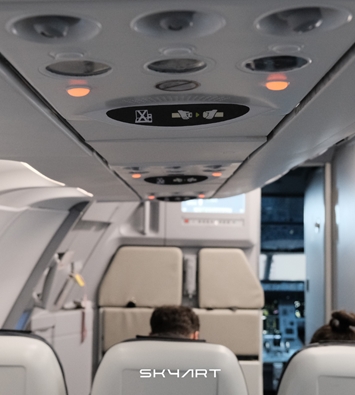
Airlines and training centers must meet the high safety requirements of the year 2026. This goal requires the acquisition of advanced training hardware. An aircraft cabin simulator is a complex system.
The aviation industry expects a major change focused on operational efficiency and sustainability in 2026. Training centers and universities are developing new strategies in the face of increasing student numbers and changing regulations.
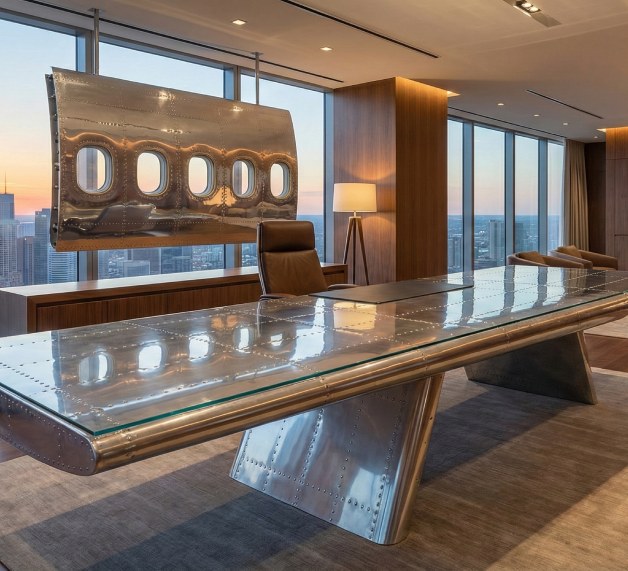
Corporate architecture has been stuck between gray cubicles and standard wooden desks for years. However, as we approach 2026, the business world's expectations from physical spaces are changing.
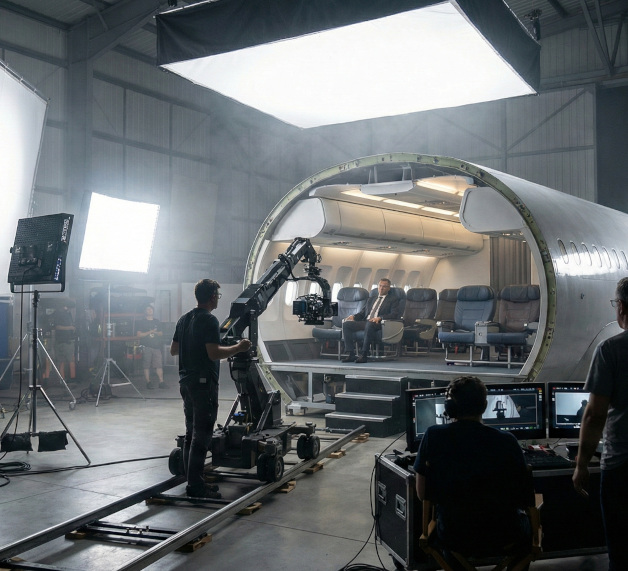
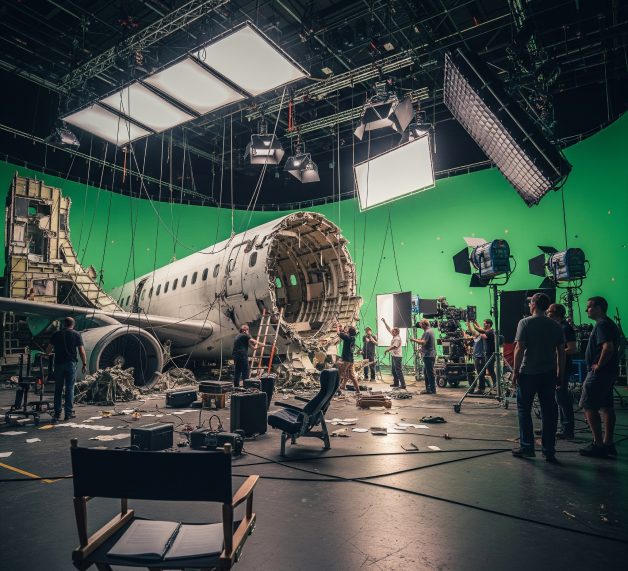
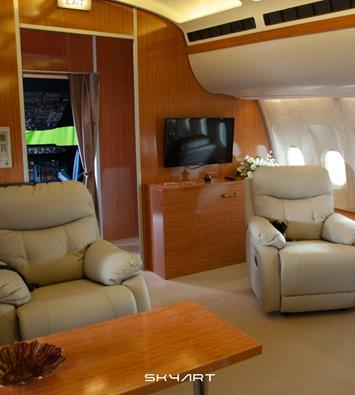
Film and advertising set standards are changing in 2026. Explore why real aircraft decor (mock-ups) and moving cabin sets are preferred over CGI for technical and cost reasons.
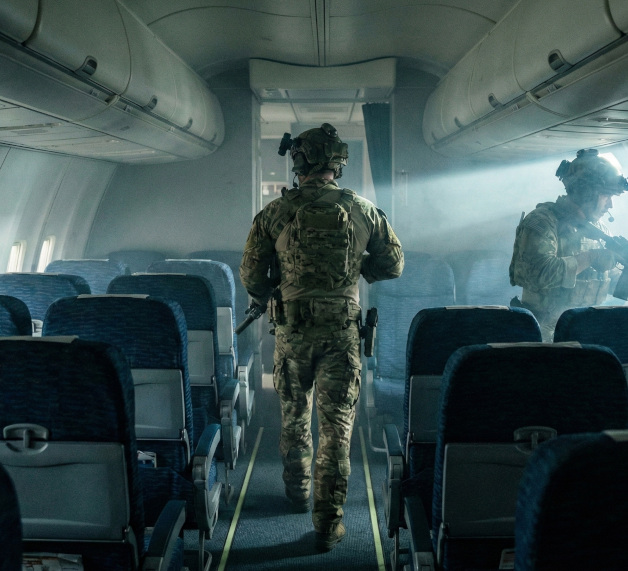
Explore 2026 simulation trends in the defense industry, cost benefits, and LVC (Live-Virtual-Constructive) integration. Digital transformation in training begins.
Aviation training is not a visual show. A complex engineering structure works in the background. A Cabin Crew Simulator operates through the seamless integration of software and hardware.
The aviation industry is undergoing a major transformation. International aviation authorities are redefining training standards to maximize flight safety. The year 2026 marks a critical threshold for the implementation of these standards.
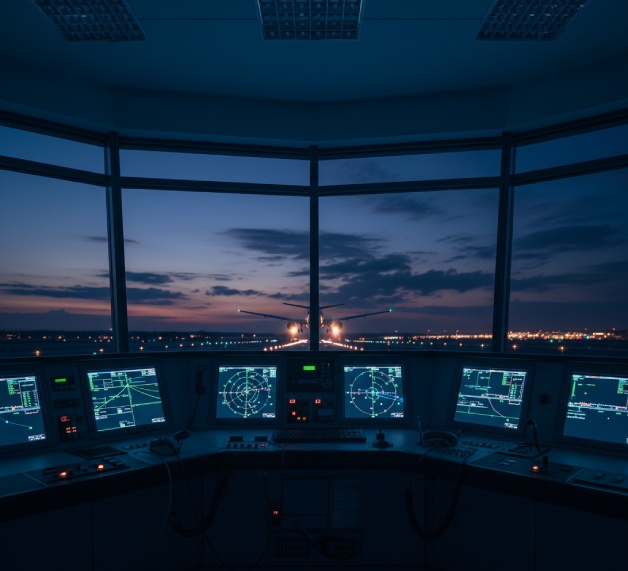
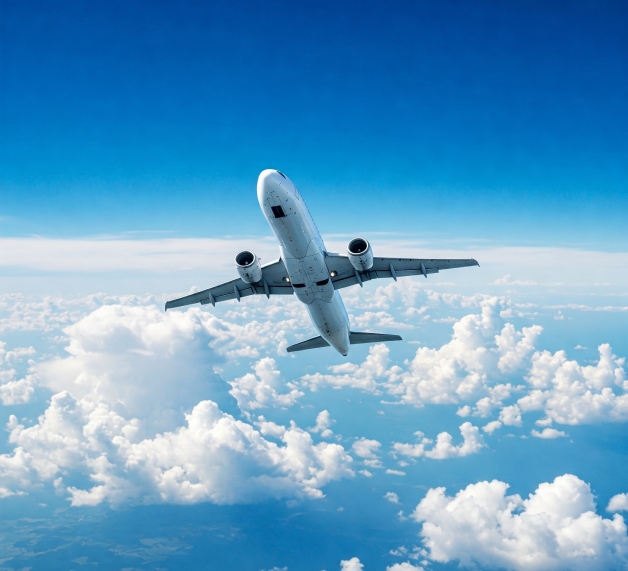
Airplanes move quietly through the clouds, yet the sky is full of voices. Through radio waves, pilots and air traffic controllers exchange short and precise messages that keep aviation safe and organised.
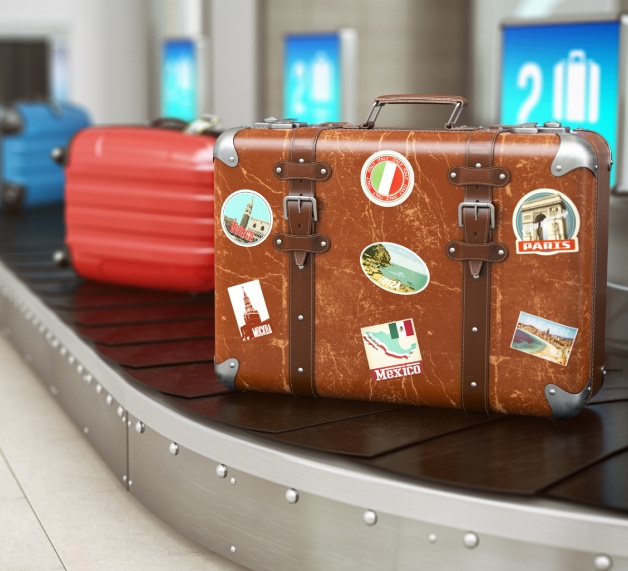
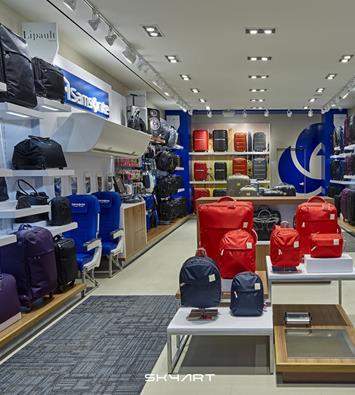
Travelers typically prepare for trips by packing items they believe will provide comfort and security during their travels. They pack clothes and toiletries. They select shoes that fit and match the activities they plan to participate in while traveling. They pack reading materials and/or a camera.
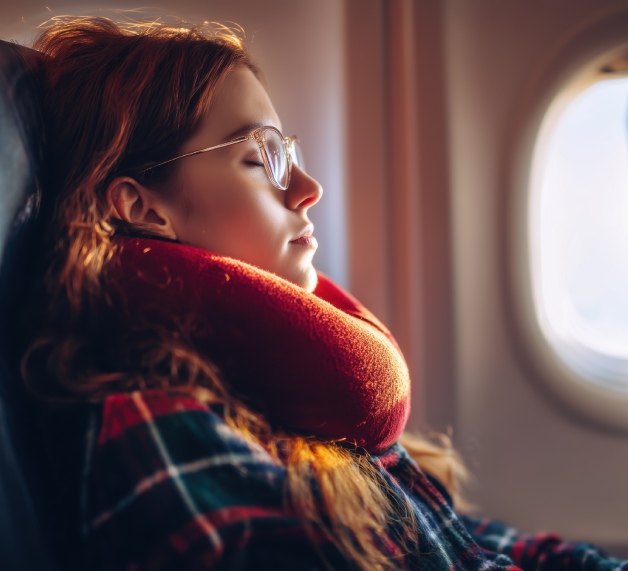
A person gets on the plane and it is noon. They take off the plane and it is midnight. Their stomach wants to have breakfast. Their eyes want to be sleeping. Their brain has conflicting information. That is what is referred to as jet lag.
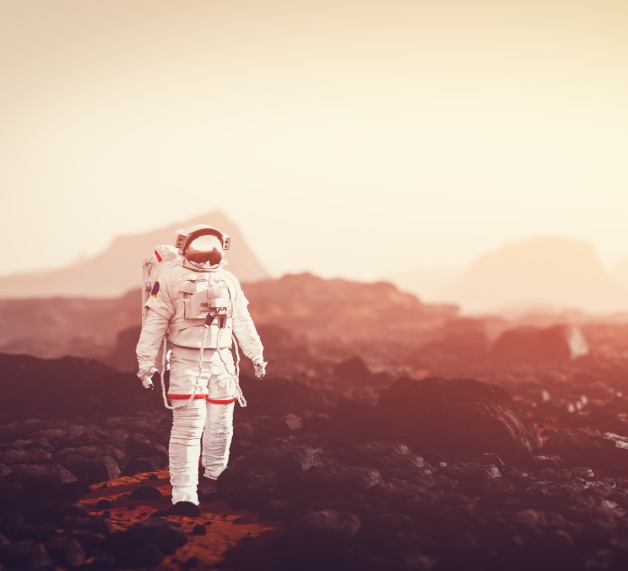
The sky was never the final goal. It was the first step toward a wider universe. When humans learned to fly, imagination expanded beyond the clouds. Aviation prepared the way for rockets and made the dream of space exploration possible.
There are views from offices that are nothing compared to 30,000 feet over the earth, and the views are thunderstorm cathedrals, rivers of golden sunlight, and entire cities glittering like spilled stardust.
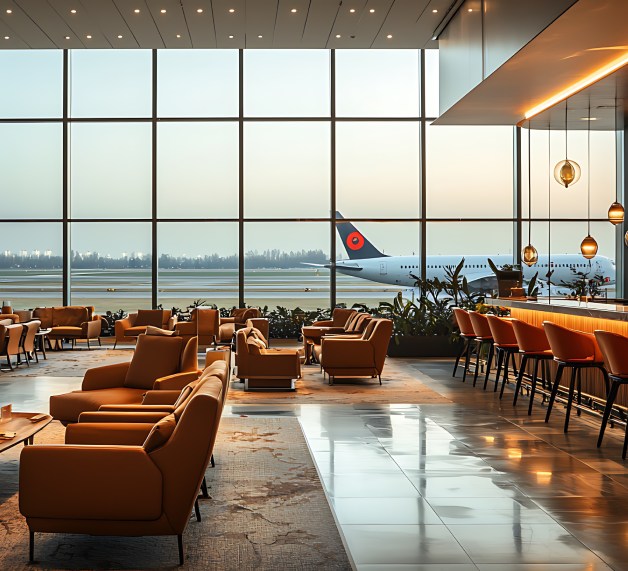
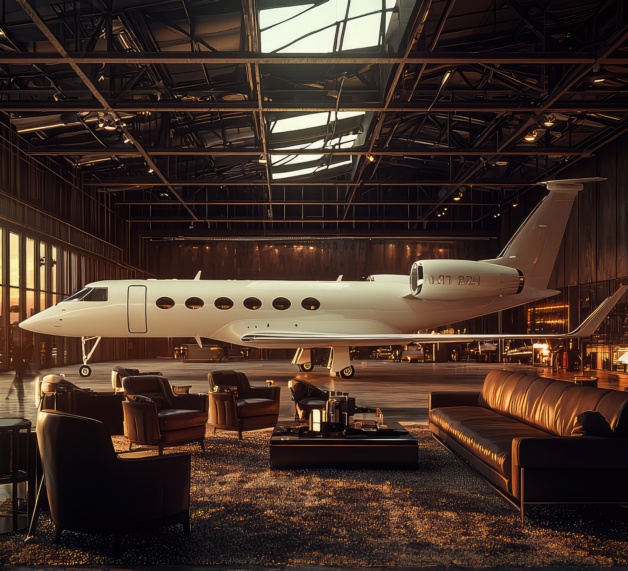
Forget fluorescent lighting, stale buffet food, and spotty Wi-Fi—today’s top airport lounges feel more like boutique hotels: spa treatments, chef-driven menus, private rooms, meditation pods, even Peloton bikes.
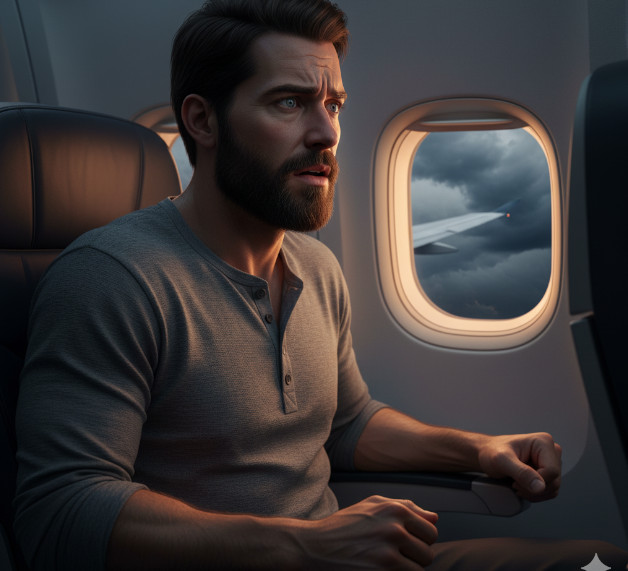
Airplanes are statistically the safest mode of transportation, yet millions of people suffer from aviophobia, or fear of flying. But why does this fear exist, and how can it be overcome? Psychology, neuroscience, and medical research shed light on this complex phobia.
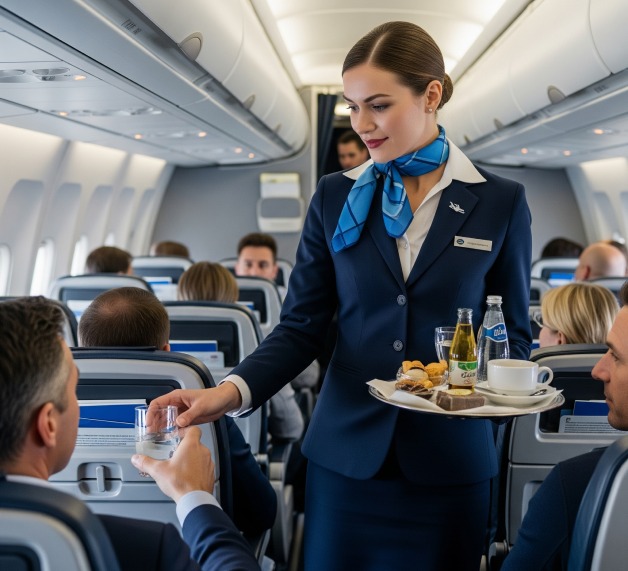
Why have cabin crew uniforms always fascinated travelers? Part of the answer lies in their symbolism. These are not just work outfits — they are cultural mirrors, branding tools, and ambassadors of an airline’s identity.
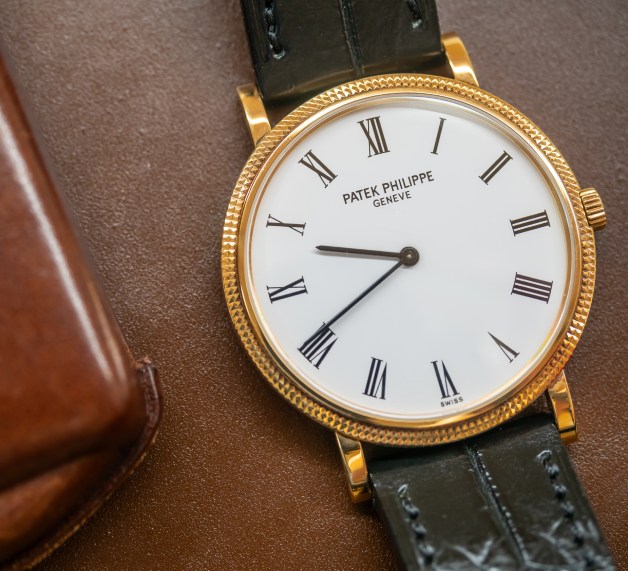
Collecting has always been more than just a hobby. From ancient rulers cherishing rare coins to modern billionaires competing over art, cars, and even aircraft parts, collections have symbolized status, wealth, and identity throughout history.
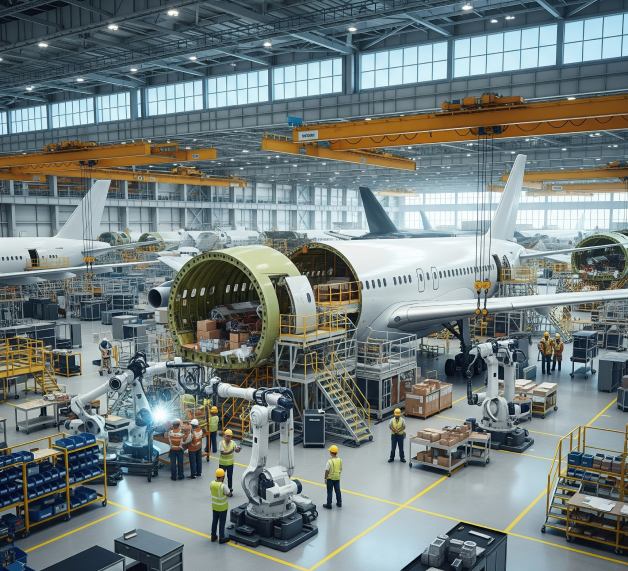
We ranked the world’s top 10 aircraft manufacturers in 2025 based on market value. While Airbus and Boeing maintain their dominance, rising players like HAL, KAI, and Joby Aviation are making their mark.
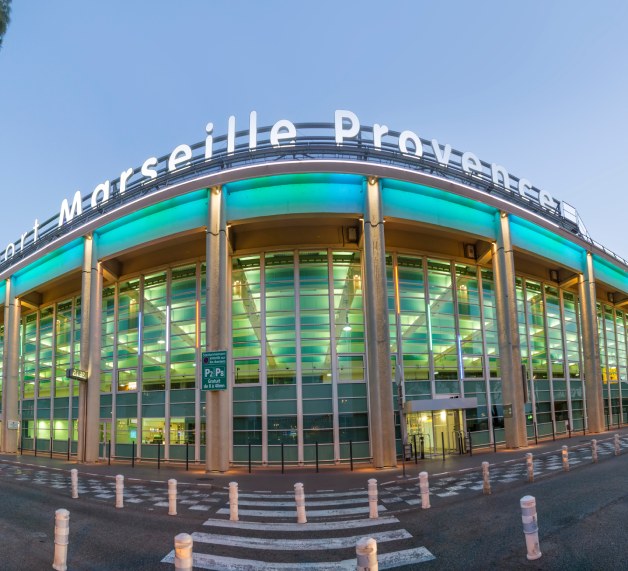
Airports are often described as the gateways to nations, the very first impression travelers receive when arriving in a new country. For decades, though, most airport terminals were purely utilitarian — functional boxes that moved passengers from curbside to plane with little thought for design or beauty.
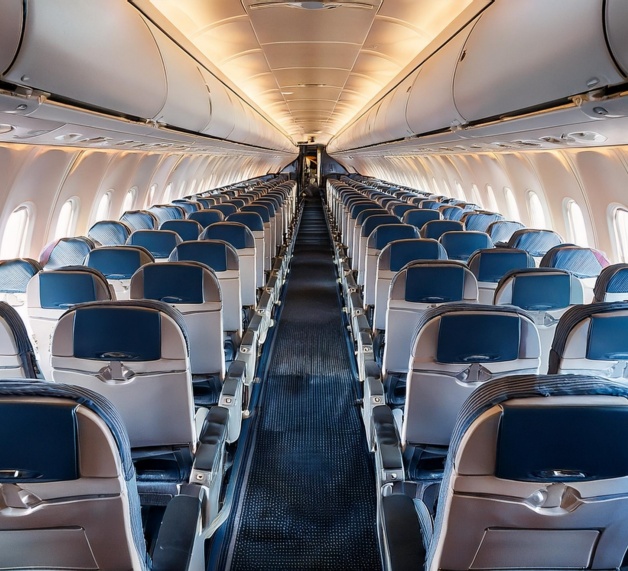
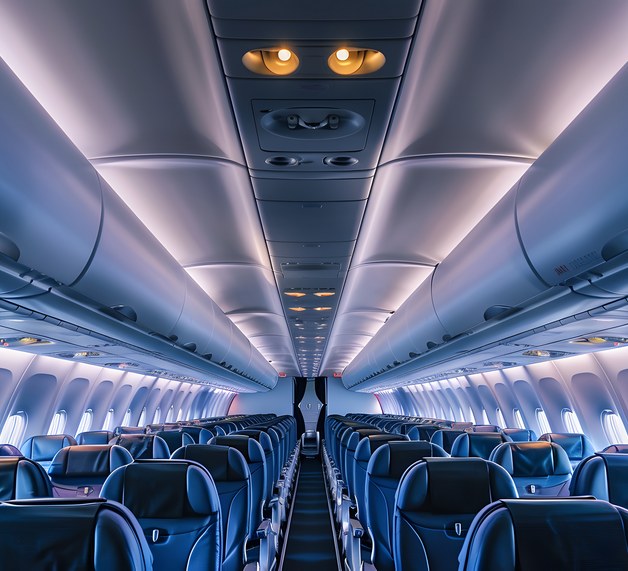
nce upon a time, flying wasn’t just transportation — it was an event. People dressed to the nines, sipped cocktails at 35,000 feet, and stretched their legs without elbowing a stranger. Over the past century, aircraft cabins have transformed from chilly, noisy boxes to high-tech comfort pods (and, yes, in some cases, glorified sardine cans).
Modern air travel is extraordinarily safe — in fact, it’s one of the safest ways to get from point A to point B. But this safety hasn’t come by chance. It is the product of decades of engineering progress, regulatory reform, and, tragically, lessons learned from devastating accidents.
From the dawn of cinema, the sight of an aircraft slicing through the clouds has stirred something deep in us — a mix of wonder, ambition, and adrenaline. Planes symbolise freedom, innovation, and daring, making them perfect cinematic subjects.
In 2025, ultra-long-haul travel is no longer a niche—it’s a key part of global aviation, connecting distant business hubs and vacation hotspots with unprecedented efficiency. Thanks to next-generation aircraft like the Airbus A350-900ULR and Boeing 787-9, airlines can now operate flights lasting 17–19 hours across distances nearing 15,500 kilometers, all without a single stop.
The aviation industry has experienced remarkable growth in 2024 and 2025, recovering from the pandemic's impact and expanding in terms of passenger numbers, fleet size, and destinations served. During this period, the world's largest airlines have strengthened their leadership by increasing operational capacity and enhancing service quality.
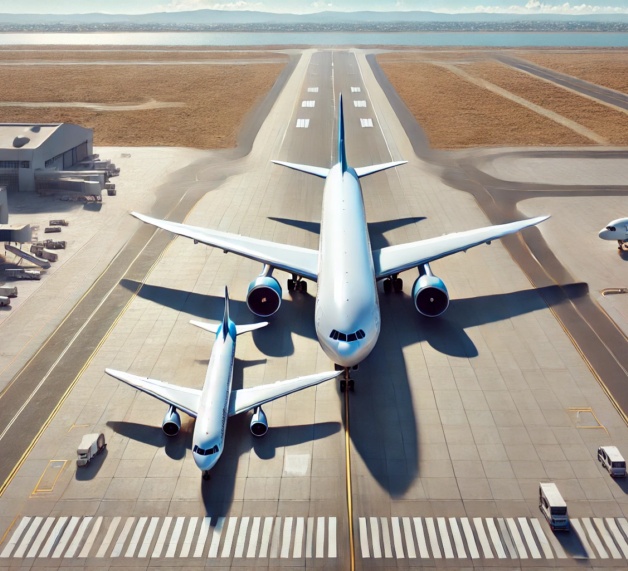
Air travel is now a vital piece of the global economy—offering the fastest and most reliable method for moving people and cargo across vast distances. With rising demand, airports have expanded not just in traffic but also in physical size.
The Airbus A320 and Boeing 777 are among the most popular aircraft models in the aviation industry, but they are designed for different purposes and vary in many ways.
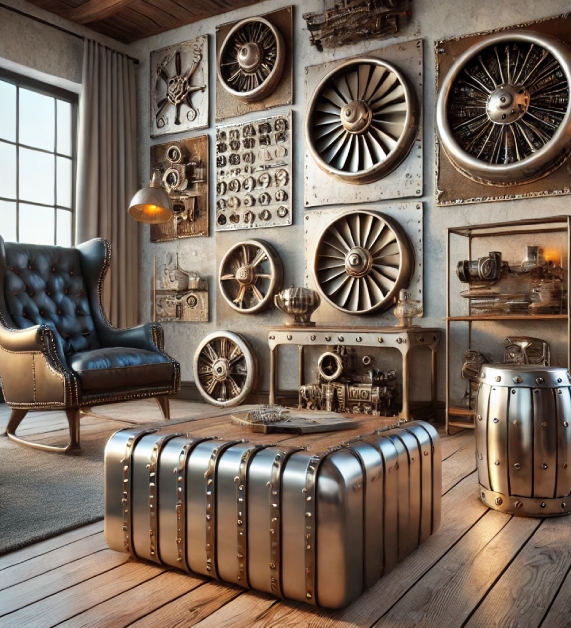
For those who appreciate the charm and elegance of classic design, vintage decoration offers a nostalgic touch that modern décor often can’t replicate.
In film production, creating authenticity is crucial for audience immersion, especially when it comes to scenes set in unique environments like aircraft.
Flight safety has always been a top priority in the aviation industry, and with the integration of Artificial Intelligence (AI), it is becoming more advanced and effective than ever before.
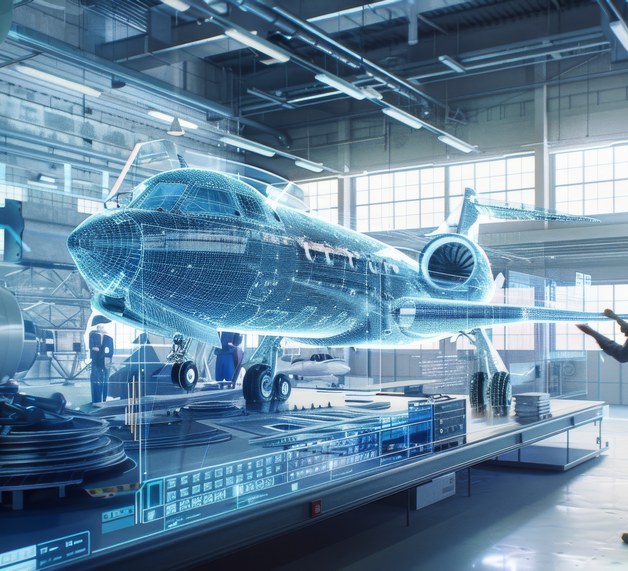
Aircraft maintenance is a vital aspect of aviation safety, and the integration of Artificial Intelligence (AI) is transforming how airlines manage and maintain their fleets.
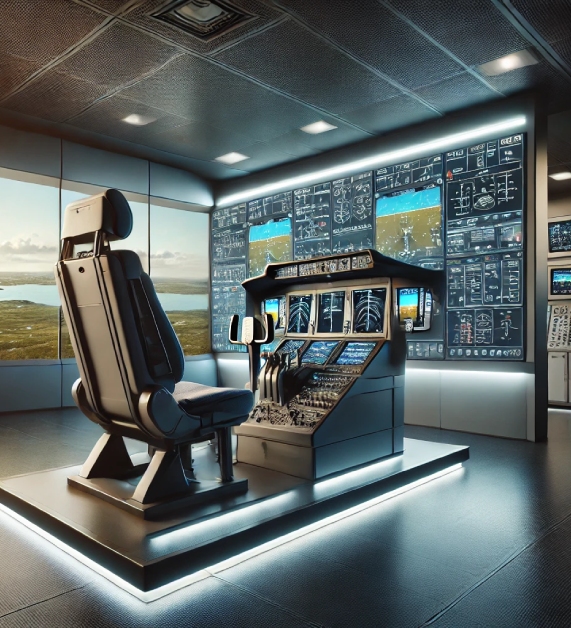
In the world of aviation, the ability to simulate real-world flying conditions is an essential tool for training pilots, engineers, and air traffic controllers.
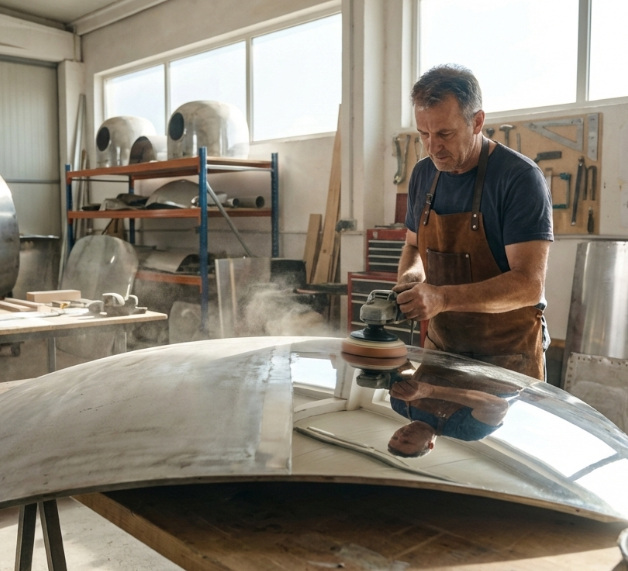
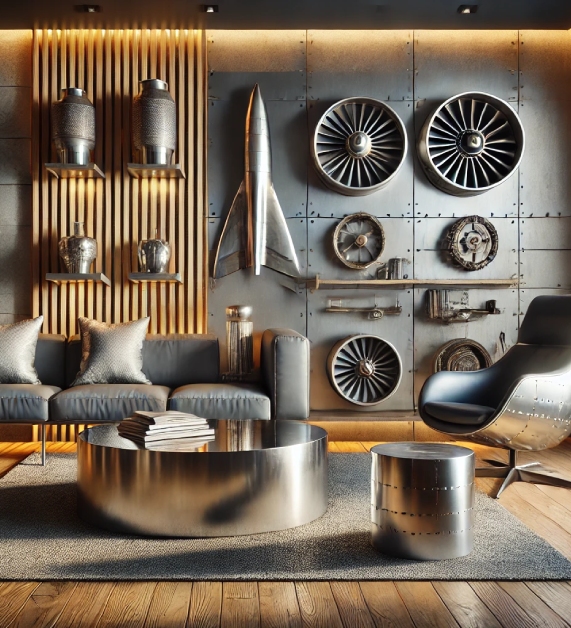
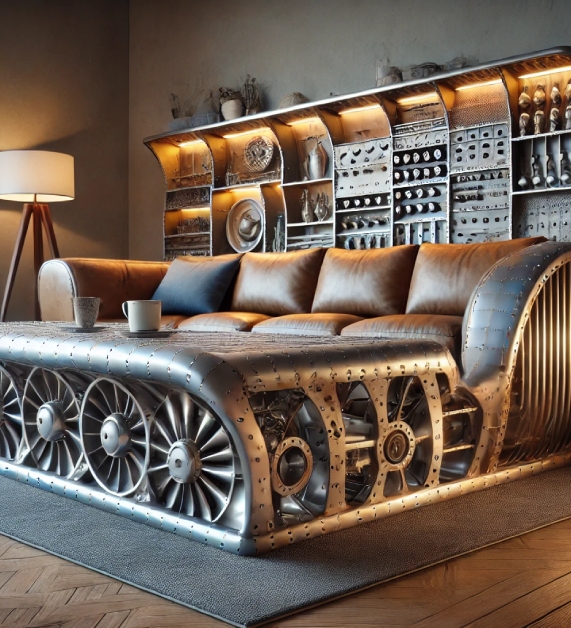
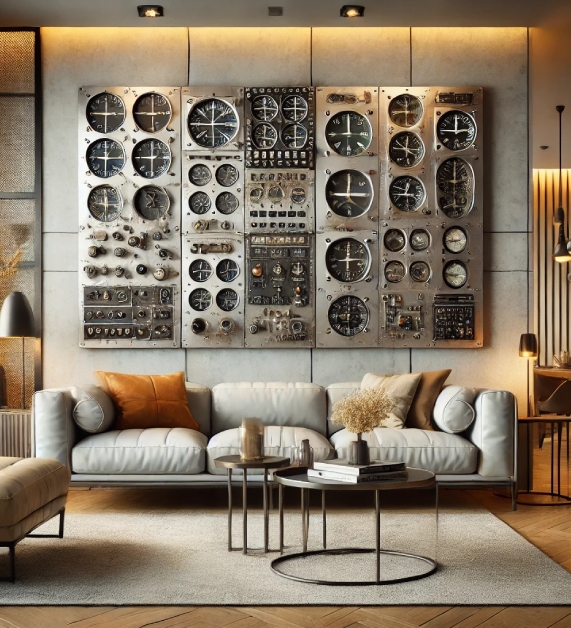
In the world of interior design, there’s a growing trend that combines the sleek, futuristic aesthetics of aerospace engineering with the comfort and functionality of modern furniture.
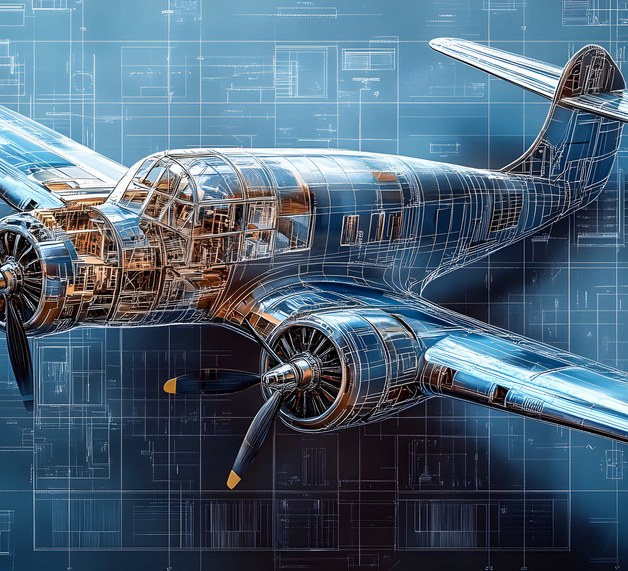
The charm of vintage aviation is undeniable. From the roar of propellers to the sleek curves of early jetliners, the legacy of flight is filled with nostalgia and innovation.
For those who dream of flight and admire the ingenuity of aviation, bringing the spirit of the skies into your home can be a thrilling way to infuse your space with unique character and history.
The allure of aviation extends far beyond the thrill of soaring through the skies. For decades, aircraft have been symbols of innovation, engineering marvels that push the boundaries of what's possible.
The cookie settings on this website are set to allow all cookies to give you the very best experience. Please click Accept Cookies to continue to use the site.