
The Most Critical Investment for Aviation Training Centers in 2026: Modular Mock-Up Systems

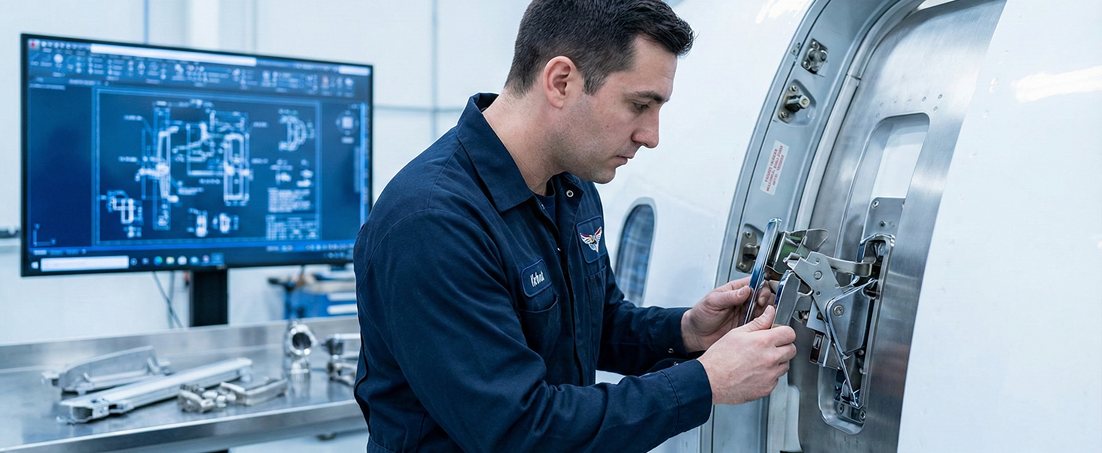
The aviation industry expects a major change focused on operational efficiency and sustainability in 2026. Training centers and universities are developing new strategies in the face of increasing student numbers and changing regulations. Traditional and fixed training devices are leaving their place to more flexible solutions due to high costs and large space requirements. Modular mock-up systems are becoming the most critical investment for institutions wanting to achieve budget optimization in this period. SkyArt highlights these technologies that use training areas efficiently and reduce costs.
International authorities aim to increase practical application hours in training processes. Aviation training standards 2026 rules require personnel to specialize quickly in different aircraft types. Assembling modular parts instead of building a fixed simulator building provides institutions with mobility.
Modular structures feature expandable or shrinkable properties according to need. A training center can start by purchasing a basic cabin unit. The institution can add a fire station or a new door module to this structure later. This gradual investment model significantly reduces initial costs. Airline companies and universities prefer to make need-oriented purchases instead of large capital outlays.
Universities with aviation departments must evaluate limited campus areas in the best way. The aircraft cabin mock-up need is a process that is both expensive and troublesome through traditional methods. Modular systems can fit into a standard classroom size. The installation process is fast and does not require heavy construction work. This allows for facility updates even in the middle of the training period.
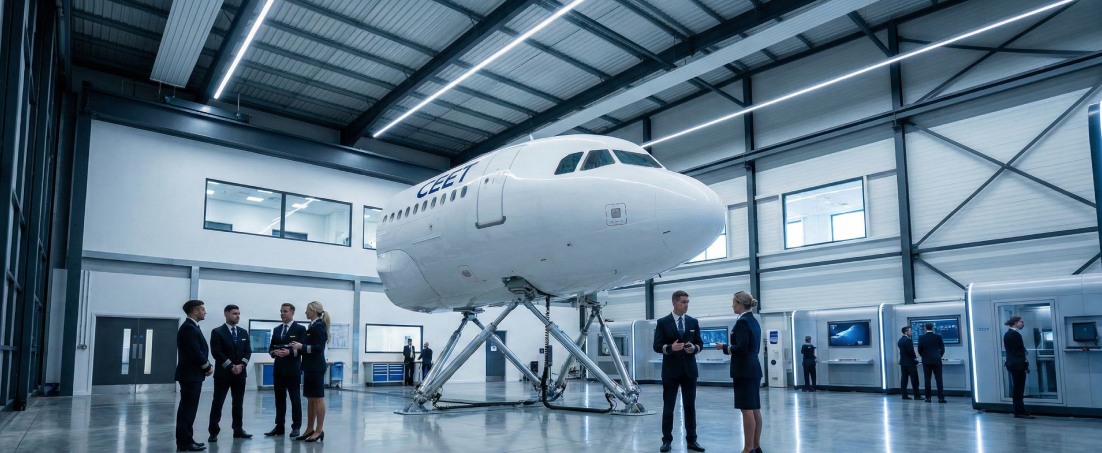
The largest expense items for training centers consist of device maintenance and initial installation expenditures. When a malfunction occurs in fixed simulators, the entire system may need to stop. In modular systems, only the relevant module goes out of service. This ensures the continuity of training.
When Door Trainer prices and CEET costs are examined, it is seen that modular solutions provide up to 40% savings in total cost of ownership. SkyArt carries this economic efficiency to the highest level in the devices it produces.
The table below compares the institutional advantages of traditional fixed systems and modular systems:
|
Criterion |
Fixed Training Systems |
Modular Mock-up Systems |
|
Initial Investment Cost |
Very High |
Optimizable / Low |
|
Space Requirement |
Very Large and Specialized Facility |
Standard Room / Classroom Compatibility |
|
Installation Period |
6-12 Months |
2-4 Weeks |
|
Ease of Maintenance |
Difficult and Costly |
Easy and Modular Intervention |
|
Expandability |
Impossible or Very Difficult |
Very Easy (Plug & Play) |
|
Technical Update |
Entire System Replacement |
Part-Based Update |
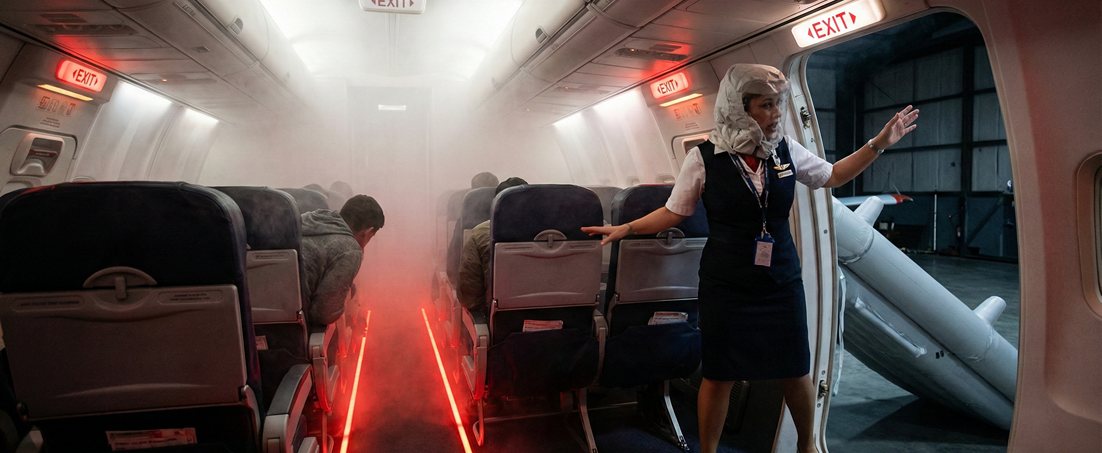
Being modular does not mean a device compromises on quality. Modern CEET (Cabin Emergency Evacuation Trainer) solutions integrate smoke machines, sound systems, and digital window screens into the modular structure. The trainee feels the same stress level and physical resistance inside a modular unit.
2026 technology allows these systems to communicate with each other. Even if a door module is in a separate place from the main cabin module, the data merges at a central instructor station. SkyArt engineering offers this digital integration as standard equipment. Training centers possess the highest technology while using their budgets efficiently.
Environmental standards are also auditing the energy consumption of training centers. Modular systems provide energy savings by allowing only the needed module to operate. Providing training in smaller areas also reduces heating and cooling expenses. Training centers transitioning to green energy reduce their carbon footprint by choosing these devices.
Aviation training does not accept errors but it accepts flexibility in the budget. While preparing for the year 2026, institutions must focus on long-term and scalable investments. Modular mock-up systems are the cornerstone of this future. SkyArt stands by training centers with modular solutions produced at world standards.


