
Rental vs. Purchase of Aircraft Mock-Ups for Cinema, Education, and Defense: The 2026 Guide

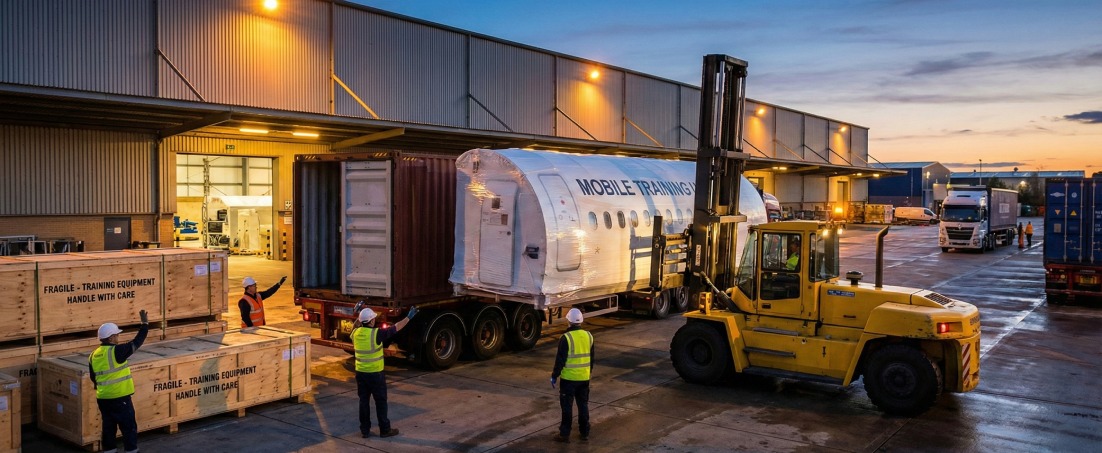
Aviation professionals face a critical decision in 2026 regarding their training and production assets. They must choose between renting or buying an aircraft mock-up. This choice affects long-term budgets and operational success. The global economic landscape of 2026 requires organizations to manage their capital with high precision. SkyArt helps clients by offering both ownership and rental models for advanced simulation hardware. A training center might need a permanent device for thousands of students. A film crew might need a temporary set for a three-week shoot. Defense units often require specific units for short-term tactical drills. This guide helps you understand the costs, technical benefits, and logistical requirements of each model. SkyArt provides the engineering expertise to support either choice, ensuring that every project meets its specific goals without wasting resources.
Financial directors look at these two models differently. Purchasing an aircraft cabin simulator is a Capital Expenditure (CAPEX). It is a long-term investment that stays on the company balance sheet. Renting a simulator is an Operational Expenditure (OPEX). This model provides tax benefits and keeps the company cash flow flexible.
In 2026, many startups and small airlines prefer the OPEX model. They avoid the high initial cost of buying a device. Larger aviation universities prefer the CAPEX model. They want to own the asset for 20 years or more. The choice depends on the duration of the project and the available capital. SkyArt provides detailed cost-benefit analyses for both groups to ensure financial stability.
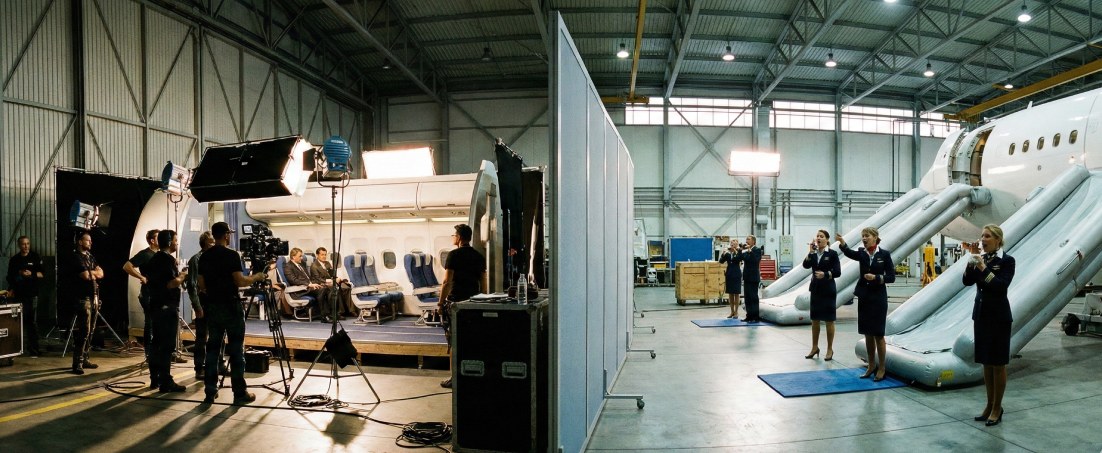
Training centers have high volumes of students. They need a device that is available 24/7. For these institutions, buying an aircraft mock-up is usually the most logical path.
A university that trains 500 cabin crew students per year will see a return on investment within a few years. Owning the device allows the faculty to create custom schedules. They do not have to worry about rental expiration dates. Furthermore, ownership allows for permanent certification under EASA or FAA standards. Once a device is installed and certified, it becomes a fixed part of the curriculum. SkyArt manages the entire delivery and certification process for purchased units.
The film industry operates on a project-by-project basis. A production company rarely needs a permanent airplane set. For these clients, aircraft mock-up rental is the ideal solution.
Film directors often need different aircraft types for different scenes. They might need a private jet interior today and a wide-body economy cabin next month. Renting allows them to access a variety of sets without the burden of storage. SkyArt offers rental units with "Wild Walls". These walls can be removed to allow camera access. A purchased unit is often too rigid for a film set unless it is specifically designed for a studio. Rental models also include technical support staff who handle the setup and teardown on the film lot.
Defense departments and special forces require highly specialized environments. They use simulators for hostage rescue or tactical boarding drills.
Sometimes a defense unit needs to train for a specific mission involving a unique aircraft model. In such cases, renting a mock-up for a few months is efficient. However, for permanent counter-terrorism training centers, purchasing a dedicated unit is better. A purchased unit can be modified with reinforced doors and specific lighting for night-vision goggles. SkyArt provides these specialized modifications for defense clients who choose the purchase model.
Maintenance is a key factor in the decision process. When you buy a simulator, you are responsible for its upkeep. You must hire technical staff or sign a maintenance contract with SkyArt.
When you rent a mock-up, the provider usually handles the maintenance. This reduces the technical burden on the client. Logistics also vary between the two models. A purchased unit is a one-time shipping event. A rental unit might involve multiple shipments if the set moves between different studios or training sites.
The following table summarizes the primary differences between the two models to help you decide.
|
Evaluation Criterion |
Purchase Model (CAPEX) |
Rental Model (OPEX) |
|
Initial Cost |
High |
Low |
|
Duration |
Permanent (10-25 years) |
Temporary (Days to Months) |
|
Customization |
Full customization available |
Limited to existing modules |
|
Maintenance |
Client responsibility |
Included in rental fee |
|
Certification |
Permanent (EASA/FAA) |
Temporary / Project-based |
|
Storage |
Requires dedicated facility |
No storage needed by client |
|
Equipment Type |
CEET / Door Trainers |
Film Sets / Tactical Units |
Speed is often the deciding factor. Building a new aircraft cabin simulator from scratch takes several months. If a training center needs to start classes in two weeks, they might rent a temporary unit while they wait for their purchased unit to be built. SkyArt maintains a fleet of rental units for immediate deployment. This "bridge" model allows institutions to remain operational during the manufacturing phase.
Aviation and defense leaders must look at their five-year plan. If the goal is to build a regional training hub, purchasing is the only option. If the goal is to film a commercial or conduct a specific tactical test, renting is far more efficient.
In 2026, many organizations use a hybrid approach. They might own their primary Boeing 737 Door Trainer but rent a specialized Airbus A350 galley mock-up for a specific short-term contract. SkyArt supports this hybrid strategy by offering flexible terms for both models.
Choosing the right path ensures that you do not overspend on temporary needs or underserve long-term goals. Every aircraft part and simulator is a tool for safety and excellence. SkyArt ensures these tools are accessible to every sector.


