
SkyArt Project Process: Delivering an Aircraft Cabin Simulator from Scratch

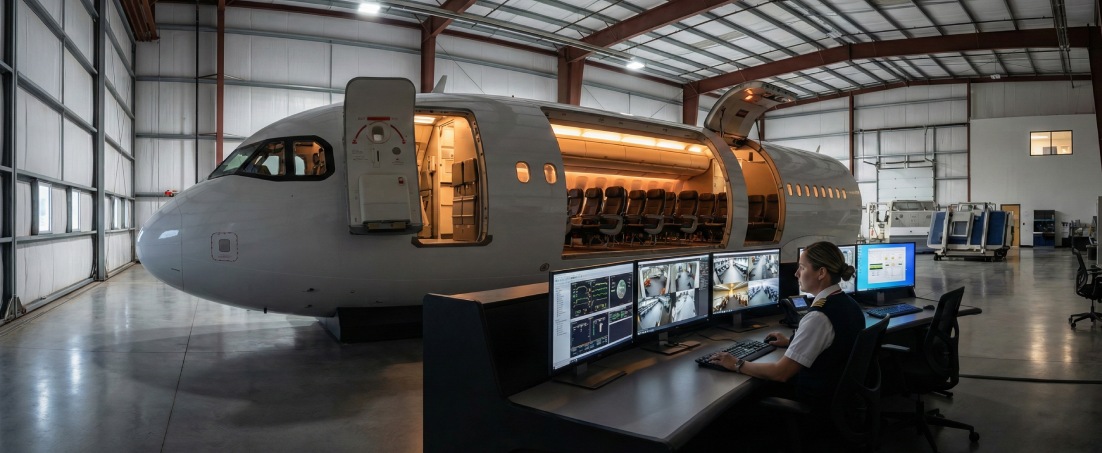
Airlines and training centers must meet the high safety requirements of the year 2026. This goal requires the acquisition of advanced training hardware. An aircraft cabin simulator is a complex system. Delivering such a device involves multiple technical stages. SkyArt manages the entire lifecycle of a project to ensure safety and compliance. This guide explains the transition from the initial concept to a certified training device.
The process begins with a clear understanding of the client's needs. Every airline has different fleet configurations and training goals. SkyArt experts meet with training managers to define the scope.
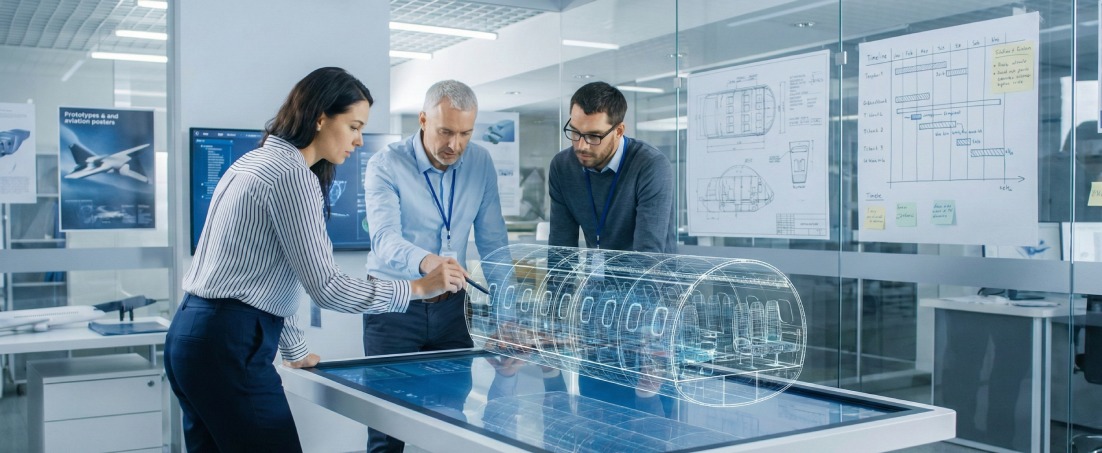
The team identifies the specific aircraft model, such as the Airbus A320 or Boeing 737 MAX. We discuss the required training modules. These modules include emergency door operations, fire training, and communication systems. The design team creates a 3D layout of the facility. This layout ensures the simulator fits the available space. SkyArt uses real aircraft data to maintain physical accuracy.
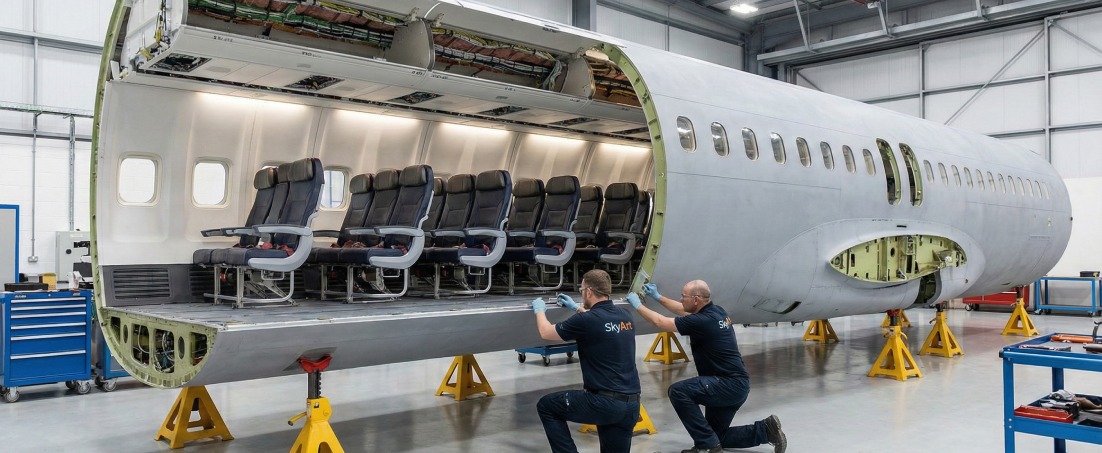
Engineering is the center of the project. A CEET (Cabin Emergency Evacuation Trainer) requires a mix of structural, mechanical, and software engineering.
SkyArt engineers develop the structural frame. This frame must support the weight of the cabin and the trainees. We integrate the electrical systems for cabin lighting and intercoms. The team also designs the Instructor Operating Station (IOS). This station acts as the brain of the simulator. It allows instructors to trigger malfunctions and monitor trainee performance. The engineering phase ensures that every moving part reflects the resistance and weight of a real aircraft.
Production happens in a controlled industrial environment. SkyArt uses high-grade materials and original aircraft parts.
The use of authentic parts increases the realism of the training. SkyArt sources original seats, overhead bins, and galley equipment. The manufacturing team assembles the fuselage sections. They install the wiring and the smoke generation systems. Each component undergoes testing before final assembly. Quality control officers verify that the dimensions match the engineering drawings. This phase transforms raw materials into a functional training environment.
Logistics for an aircraft cabin simulator require careful planning. These devices are large and heavy. SkyArt manages the shipping process to any location worldwide.
Once the simulator arrives at the training center, the installation team begins their work. They assemble the sections and connect the electrical systems. The team calibrates the mechanical parts, such as the emergency doors and the slide deployment simulations. We perform local tests to ensure the device operates correctly in its new environment. The installation team stays on-site until the device is fully functional.
The final phase is the most critical for legal operation. A simulator must meet EASA or FAA standards to be valid for crew training.
SkyArt supports the client during the certification process. We provide the necessary technical documentation and maintenance manuals. Our engineers perform a final factory acceptance test (FAT) and a site acceptance test (SAT). Once the local aviation authority approves the device, it is ready for use. SkyArt also provides training for the local technical staff. This training enables them to perform daily checks and basic maintenance.
The following table compares different approaches to acquiring an aircraft cabin simulator.
|
Project Stage |
Traditional Procurement |
SkyArt Turnkey Delivery |
|
Initial Design |
Client must provide specs |
SkyArt defines specs with the client |
|
Component Sourcing |
Often uses replica parts |
Uses original aircraft parts for realism |
|
Software Integration |
Basic scenarios |
Advanced IOS with custom scenarios |
|
Logistics |
Client manages shipping |
SkyArt manages global logistics |
|
Certification Support |
Minimal documentation |
Full EASA/FAA documentation support |
|
Maintenance |
Local third-party required |
In-house support and remote diagnostics |
A structured project process minimizes risks. Airlines cannot afford delays in crew training. SkyArt ensures that the aircraft cabin simulator delivery happens on schedule. By managing every step from design to certification, we eliminate technical gaps.
The year 2026 brings new challenges to aviation safety. Modular and high-fidelity simulators are the answer to these challenges. A project-based approach allows for future upgrades. If an airline changes its seat configuration, the simulator can be updated. This flexibility protects the long-term investment of the training center.
Reliable engineering leads to safer skies. SkyArt remains committed to delivering excellence through a proven project methodology.


