
Aviation Sustainability 2026: The New Frontier of Aircraft Recycling and ‘Creative Repurposing’

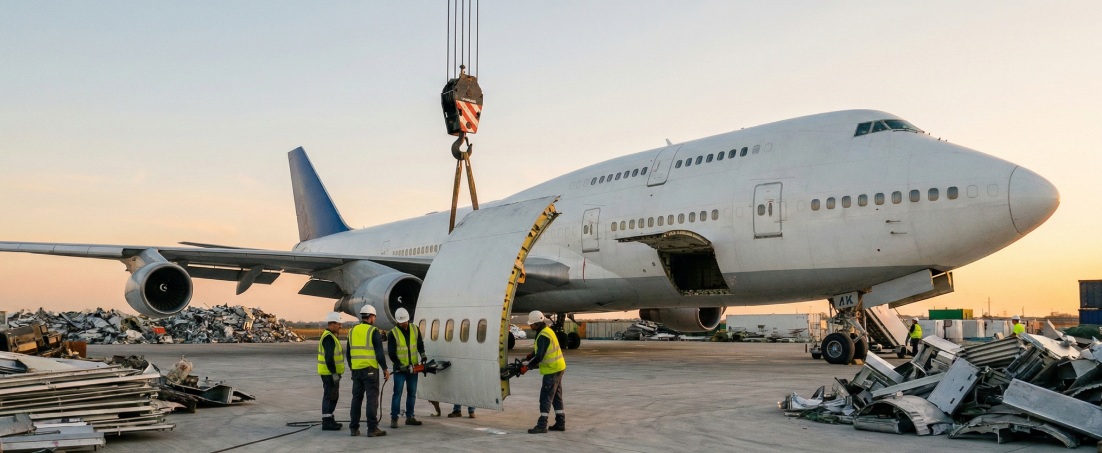
The aviation industry faces increasing pressure to reach net-zero goals by 2050. While most discussions focus on sustainable aviation fuel (SAF), the management of end-of-life aircraft is equally critical. In 2026, the industry is moving beyond traditional scrap metal recycling. The focus is now on creative repurposing. This concept involves giving high-value aircraft components a second life in new industries. SkyArt leads this movement by integrating retired aircraft parts into advanced training systems and high-end industrial design.
Traditional recycling processes melt down aircraft aluminum into ingots. This method requires significant energy and degrades the quality of the alloy. Creative repurposing takes a different path. It preserves the structural integrity and historical value of the parts.
By 2026, airlines are prioritizing the circular economy to improve their environmental, social, and governance (ESG) scores. Instead of sending an old fuselage to a landfill, companies now look for ways to keep these parts in use. SkyArt facilitates this by sourcing retired airframes and transforming them into functional assets. This approach reduces the demand for raw materials and lowers the overall carbon footprint of the aviation supply chain.
SkyArt bridges the gap between retired aircraft and modern training needs. We use authentic components to build high-fidelity training devices.
The production of an aircraft cabin simulator often requires new plastics and metals. SkyArt reduces this environmental impact by using original parts from decommissioned planes. We integrate real passenger seats, overhead bins, and galleys into our CEET (Cabin Emergency Evacuation Trainer) units.
Using original parts serves two purposes. First, it provides trainees with the exact tactile experience of a real flight deck or cabin. Second, it prevents tons of high-grade material from becoming waste. This method makes SkyArt a key player in the sustainable development of aviation training facilities.
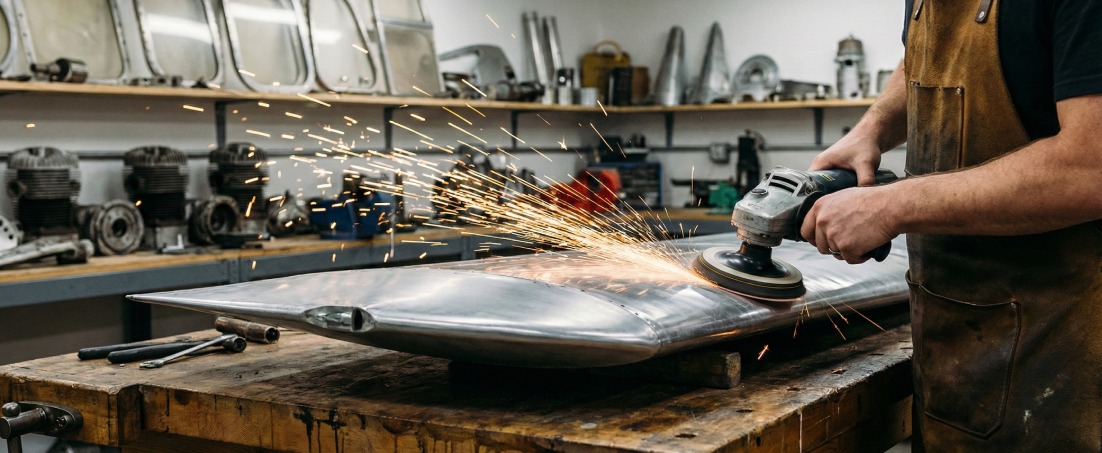
Creative repurposing also reaches the luxury furniture and interior design sectors. The exterior skin of an aircraft is a masterpiece of engineering. It is lightweight, fire-resistant, and aesthetically striking. SkyArt’s Planeskin series transforms these surfaces into functional art.
We convert wing sections into executive desks and engine inlets into reception counters. This process keeps the "heritage" of the aircraft alive. In 2026, corporate offices use these items to demonstrate their commitment to sustainability. Each piece serves as a physical reminder of the circular economy in action.
The following table compares the environmental and economic impact of both methods.
|
Feature |
Traditional Recycling |
Creative Repurposing (SkyArt) |
|
Energy Consumption |
High (Melting process) |
Low (Refurbishing process) |
|
Material Quality |
Degraded (Secondary alloy) |
Preserved (Aviation grade) |
|
Historical Value |
Lost |
Preserved (Logbook included) |
|
CO2 Impact |
Significant |
Minimal |
|
Main Output |
Raw Aluminum Ingot |
Simulators / Furniture / Art |
|
Longevity |
Short-term |
Multi-decade second life |
The scale of aircraft retirements is increasing globally. Thousands of aircraft will exit service in the next few years. This volume requires a structured approach to waste management. 2026 regulations will likely mandate higher reuse rates for cabin interiors and cockpit hardware.
SkyArt continues to innovate in the field of creative repurposing. We are developing new ways to modularize old fuselages for use in universities and public showrooms. By choosing repurposed simulators and furniture, organizations contribute to a greener future. Sustainability in aviation is no longer just about flight; it is about how we value every part of the aircraft, even after its final landing.


