
2026 Aviation Training Demands: Why Are Cabin Crew Simulators Becoming Mandatory?

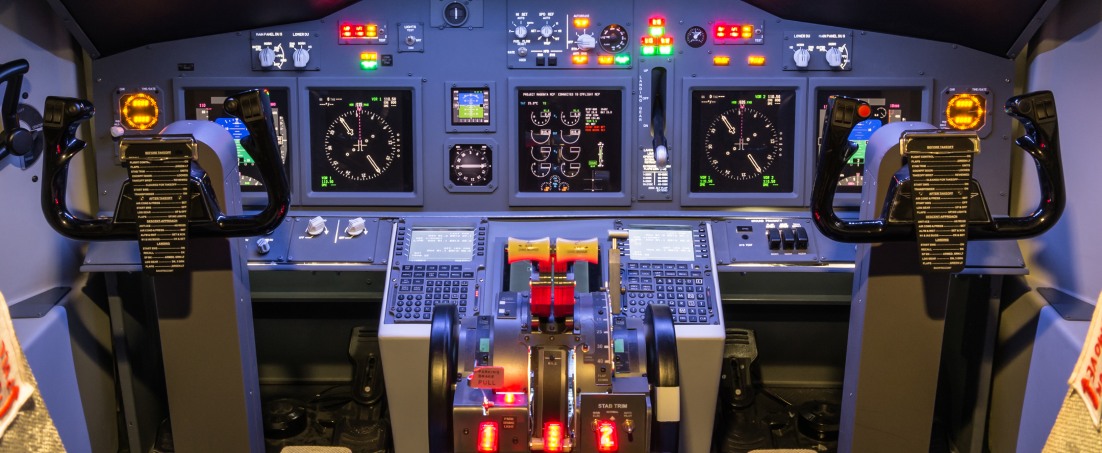
The aviation industry is undergoing a major transformation. International aviation authorities are redefining training standards to maximize flight safety. The year 2026 marks a critical threshold for the implementation of these standards. Airlines must improve operational efficiency and comply with new regulations. In this process, cabin crew training simulators are shifting from a luxury choice to a mandatory requirement. At SkyArt, we analyze these changing dynamics and technological necessities.
EASA (European Union Aviation Safety Agency) and FAA (Federal Aviation Administration) no longer consider theoretical knowledge sufficient for cabin crew training. Authorities demand that personnel use muscle memory in emergencies. New regulations require the application of realistic scenarios.
Procedures on paper cannot measure personnel reactions during a real crisis. The aviation training standards 2026 vision aims for personnel to "learn by doing" physically. This shifts airlines away from classroom training toward simulation-based models. Companies seeking success in audits build their training curriculums on CEET (Cabin Emergency Evacuation Trainer) systems.
International rules are now clear. Cabin crews must experience situations like smoke, fire, or decompression physically, not just read about them. Drills performed inside an aircraft cabin mock-up unit improve decision-making skills under stress. Regulators are also tightening the certification processes for these devices. SkyArt bases all its systems on these current certification criteria.
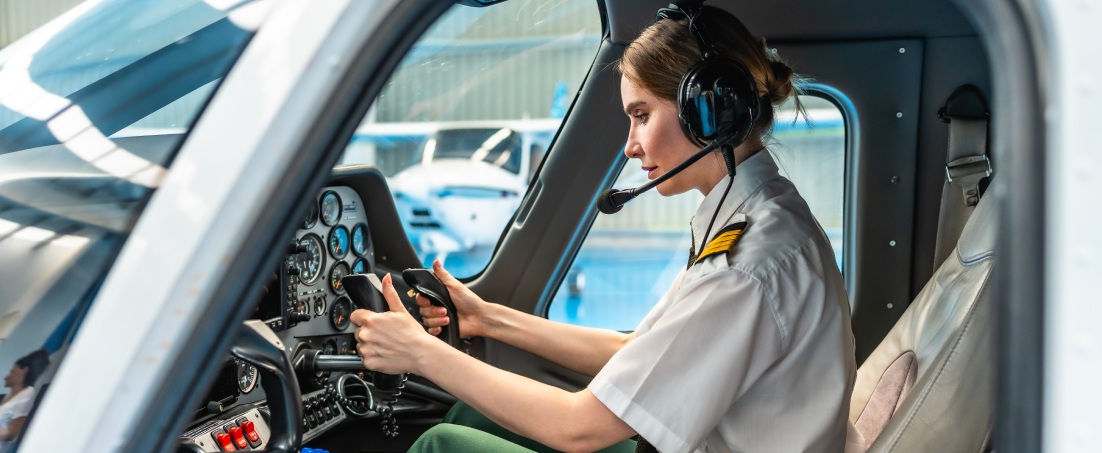
The level of realism determines the quality of training. Modern cabin crew training simulators are exact replicas of an aircraft fuselage. The interior design, seat pitch, overhead bins, and emergency exit doors match the original aircraft. However, the main difference lies in the integrated technology.
SkyArt devices feature visual and audio effects. LED screens placed in cabin windows display different weather conditions or emergency scenarios (ditching, runway excursions, etc.). Audio systems transmit engine noise or explosion sounds into the cabin. This atmosphere prepares personnel psychologically for the event.
Doors are the most important component in aircraft evacuation. The door mechanism differs for each aircraft type. An Airbus A320 door and a Boeing 737 door do not share the same opening principles. Door Trainer prices remain quite reasonable when considering the cost of a potential error. Door training simulators simulate jamming scenarios. Personnel learn how to handle an unopened door or manage alternatives in case of a slide failure. The force applied to the door handle matches the resistance in the real aircraft.
One of the largest expense items for airlines is operational errors due to lack of training or the cost of aircraft allocated for training. Keeping a commercial aircraft on the ground for training purposes causes significant revenue loss for the company. Aircraft depreciation, fuel expenses, and maintenance costs add to this process.
Companies specializing in aircraft cabin mock-up manufacturing offer a sustainable alternative to airlines. Simulators can operate 24/7. Maintenance costs are negligible compared to a real aircraft. Additionally, simulators allow the desired scenario to restart in seconds. You cannot start a fire in a real jet, but you can perform fire fighting drills hundreds of times a day inside a CEET.
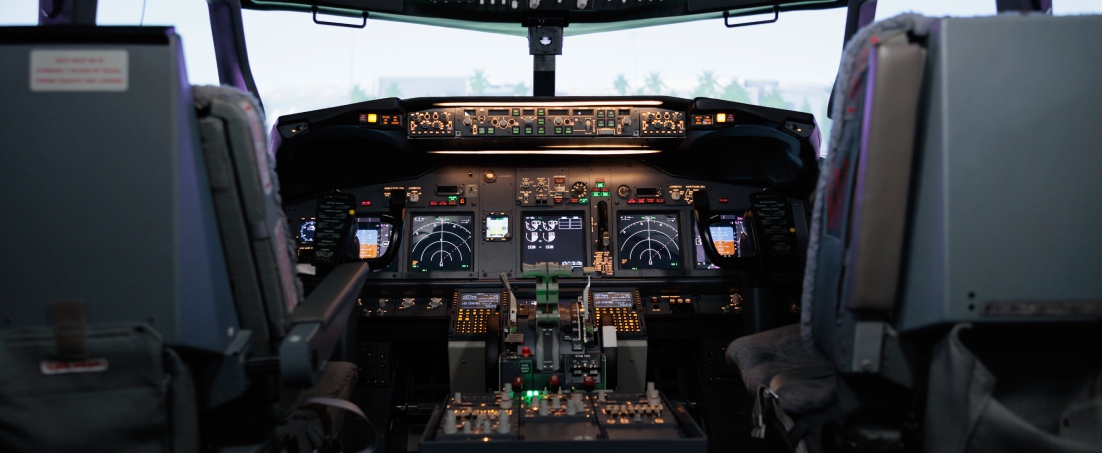
The table below summarizes the fundamental differences between training methods and the value simulators provide:
| Criterion | Real Aircraft Training | Simulator (Mock-up) Training |
| Scenario Variety | Limited (No fire/smoke allowed) | Unlimited (Realistic smoke, fire, sound) |
| Operational Cost | Very High (Aircraft revenue loss) | Low (Only energy and maintenance) |
| Accessibility | Dependent on flight schedule | Suitable for 24/7 use |
| Risk Management | Risk of damaging the aircraft | Zero risk, safe environment |
| Repeatability | Time-consuming (Slide repacking etc.) | Instant reset and repeat |
| Regulation Compliance | May remain theoretical | Full practical application (EASA/FAA compliant) |
Investors and training departments must think long-term. Airlines preparing for 2026 regulations now will gain a competitive edge. Training quality directly affects passenger safety. A safe airline image is the brand's greatest asset.
SkyArt produces systems tailored to airline needs. Door Trainer and CEET systems suitable for Airbus, Boeing, or other body types increase the capacity of training centers. Modular structures allow these devices to fit easily into any facility. Training materials that match current technology boost personnel confidence. A confident cabin crew saves lives during a crisis.
There is no margin for error in aviation. You must choose the right equipment to optimize your training processes and meet 2026 standards today. SkyArt stands by you in this process with technical expertise and innovative manufacturing.


