
2026 Simulation Trends in the Defense Industry: Why Choose Simulators Over Real Vehicles?

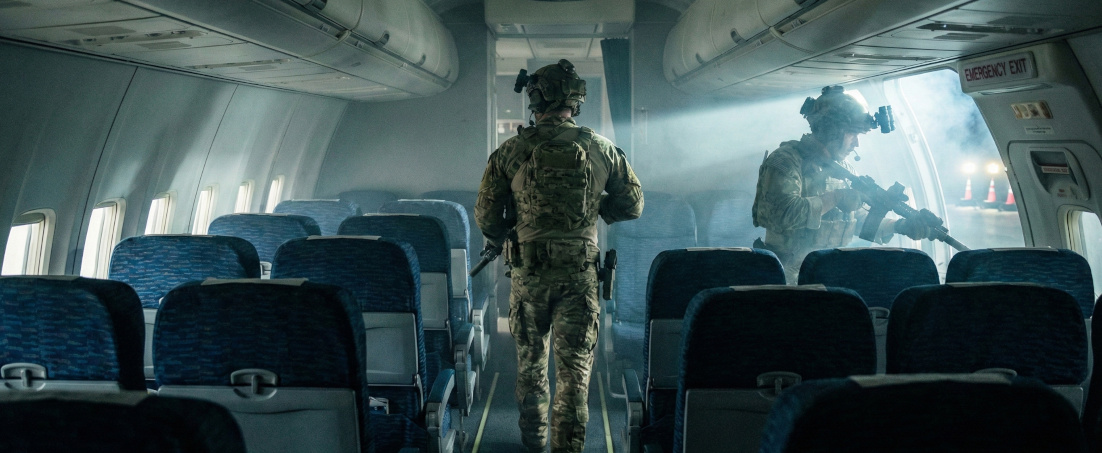
The modern battlefield is shifting from physical fronts to digital data networks. Armies and defense contractors are updating training methods to prepare personnel for this new era. The year 2026 is a period where the concept of "digital training" sits at the center of defense doctrines. Using high-cost platforms like tanks, armored vehicles, or fighter jets for training is losing sustainability. Defense industry simulation systems are the sole solution that preserves budgets while increasing operational readiness levels.
Deploying a real military platform to the training field requires a major logistical operation. Fuel, ammunition, maintenance personnel, and spare part costs amount to millions of dollars for a single drill. For example, the hourly operating cost of a main battle tank equals the annual energy expense of a simulator.
In 2026 budget planning, armies transfer resources from "sustainment" to "innovation" items. Simulators prevent wear on the real vehicle. They protect engine life and reduce track/wheel wear to zero. Logistics units focus on real needs at the frontline instead of training-induced malfunctions. This efficiency directly raises the combat readiness rates of armies.
The future training concept points to a transition from standalone devices to "connected systems". LVC (Live, Virtual, and Constructive) integration sits at the peak of 2026 simulation trends. This technology allows a real tank training in the field to meet a fighter pilot in a simulator and enemy elements managed by artificial intelligence in the same virtual environment.
Previously, enemies in simulators followed predictable scenarios. New generation processors and machine learning algorithms brought the concept of "Adaptive AI". The AI in the simulator changes strategy based on the personnel's tactics. This situation removes soldiers from rote learning and improves instant decision-making abilities.
Military training is dangerous by nature. Accident risk is always present in drills with real ammunition or heavy tonnage vehicles. Simulator technologies eliminate this risk. Personnel experience extreme situations like vehicle rollover, sinking in water, or engine fire in a virtual environment.
A novice operator gains hundreds of hours of experience in the simulator before using a real armored vehicle. Muscle memory forms. Reflexes develop. Thus, when personnel move to the real vehicle, they have already passed the novice stage. This approach protects both human life and inventory worth millions of dollars.
Training in the real world is limited by geography and climate. You cannot train a unit with desert camouflage in snowy terrain. However, simulators change the environment with a single button.
Military training technologies take personnel to geographies where they cannot be physically present. Switching from the hot deserts of the Middle East to the icy mountains of Northern Europe takes seconds. Night vision systems, thermal cameras, and radar screens are modeled one-to-one in the virtual environment. Personnel learn how to proceed in a sandstorm or dense fog where visibility drops to zero in a safe environment.
The table below clearly reveals the differences between traditional training and simulation-based training:
|
Criterion |
Real Field Training |
Military Simulation Training |
|
Cost |
Very High (Fuel/Ammo) |
Low (Only Energy/Maintenance) |
|
Environmental Impact |
High Carbon Footprint |
Eco-Friendly (Green Tech) |
|
Scenario Limits |
Dependent on Geography/Climate |
Unlimited (All weather/terrain) |
|
Safety Risk |
Risk of Accident and Injury |
Zero Physical Risk |
|
Repeatability |
Difficult and Time-Consuming |
Instant Replay and Analysis |
|
Data Collection |
Limited Observation |
Detailed Digital Telemetry |
The 2026 vision covers not only sitting in front of a screen but also "wearable technology". Virtual Reality (VR) and Augmented Reality (AR) glasses revolutionize the training of maintenance personnel. Technicians practicing on a virtual engine instead of reading how to dismantle an engine from a booklet shorten fault detection times by 40%.
The defense industry does not accept errors. Countries need the best-trained personnel to maintain deterrence. Simulators are the most strategic tool meeting this need. Armies strengthening their technological infrastructure with simulation systems establish superiority in the battlefield of the future.


